1-150 ton electronic weighbridge, also known as truck scale, is an industrial weighing equipment that integrates weighing platforms, sensors, instruments and management systems. It can obtain real-time weight data of vehicles and cargo carry, and is widely used in logistics, industry, warehousing, and trade, making it an indispensable part of modern weighing systems.
How it works
The vehicle drives into the weighbridge platform and its overall weight is transferred to the load cell through the load-bearing structure. The sensor cleverly converts the pressure signal into a precise electrical signal, which is then processed to visually display the weight data on the weighing instrument. This process is stable and reliable, not only to meet the needs of a single static weighing, but also to cooperate with the management system to efficiently complete data recording and statistics, ensuring the convenience and efficiency of weighing operations.

Industrial scene
Weighbridge plays a pivotal role in the industrial and logistics industry, and its core weighing function not only accurately records key data such as raw material inbound and outbound, finished product shipment, transportation billing and inventory accounting, but also a key node in process management. Stable and reliable weighing equipment effectively reduces manual statistical errors, greatly improves operational efficiency, and provides a solid guarantee for the smooth operation of the entire industrial chain.
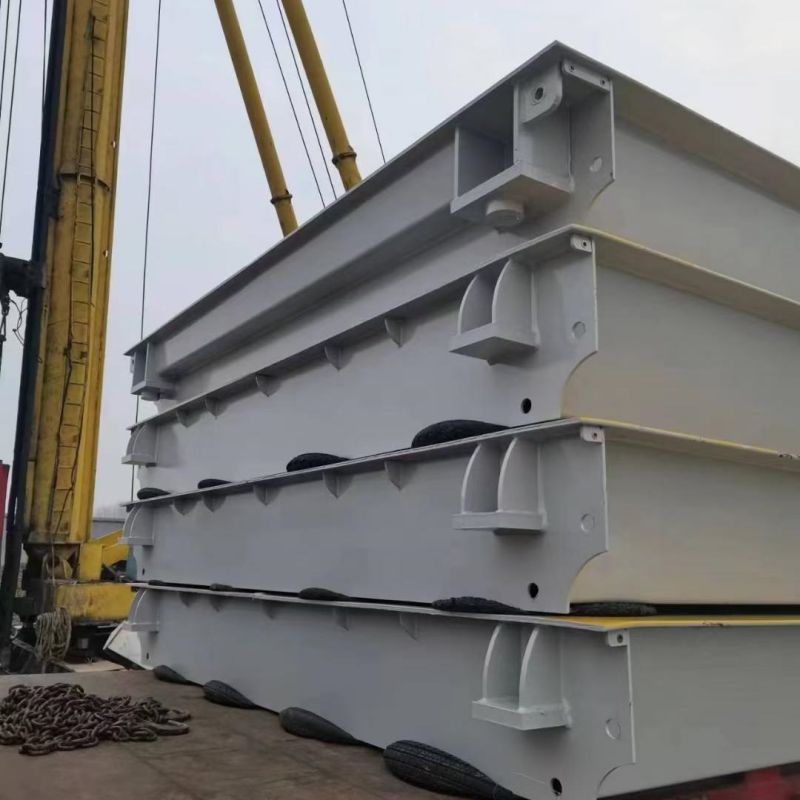
Structural composition
The core structure of the weighbridge system includes a weighing platform, load cell, junction box, weighing instrument and supporting infrastructure. The weighing platform carries the weight of the vehicle steadily, the sensors accurately collect the weight data, and the instruments and systems are responsible for data interpretation and visual display. These components work closely together to ensure that the weighbridge can still operate stably and reliably in the face of frequent multi-vehicle traffic and complex working conditions.

Application features:
According to the installation method and use environment, the weighbridge can be divided into fixed truck scales and flexible weighbridge systems. Fixed truck scales are suitable for long-term high-frequency weighing needs, while weighbridge systems with flexible construction are more suitable for temporary weighing or site constraints. Reasonable selection of weighbridge types can effectively meet the actual needs of different usage scenarios and achieve accurate and efficient weighing work.
Weighing management system
Under the wave of information management, the weighbridge has evolved from an independent weighing equipment to the core of the weighing system. By seamlessly connecting with weighing software or management platforms, weighbridges achieve automatic data collection, real-time query and efficient statistics, creating a transparent and traceable weighing data chain for enterprises. This systematic integration significantly improves the efficiency and decision-making value of weighing management, injecting new impetus into the development of enterprises.

Significance of selection
The selection of weighbridge should comprehensively consider the use environment, vehicle type, traffic frequency and site conditions. Scientific and reasonable selection can not only significantly improve the efficiency of weighing operations, but also effectively reduce subsequent maintenance and management costs. Carefully configured for different working conditions to ensure that the weighbridge maintains stable and reliable performance during long-term operation, bringing users a stable and reliable user experience.

As a mature equipment in the field of industrial weighing, weighbridge, with its stable structure and reliable weighing mechanism, provides efficient and accurate measurement services for industrial production, logistics and transportation, trade settlement and other links. In production management, transportation statistics and trade settlement, weighbridges play an indispensable role, becoming one of the most widely used and basic core equipment in modern weighing systems.