How to Choose the Right Electronic Truck Scale for Your Business

How to Choose the Right Electronic Truck Scale for Your Business
Published by Xuzhou Spear Weighing Equipment Co., Ltd. — 徐州斯派尔称重设备有限公司
An electronic truck scale is one of the most important investments for any business that handles bulk materials, logistics, or heavy vehicles. It directly affects your weighing accuracy, operational efficiency, compliance, and bottom line. But with so many models, capacities, and configurations available, how do you choose the right one? This guide walks you through the key factors to consider so you can make an informed decision.
1. Understand the Different Types of Electronic Truck Scales
Electronic truck scales come in several designs, each suited to different applications:
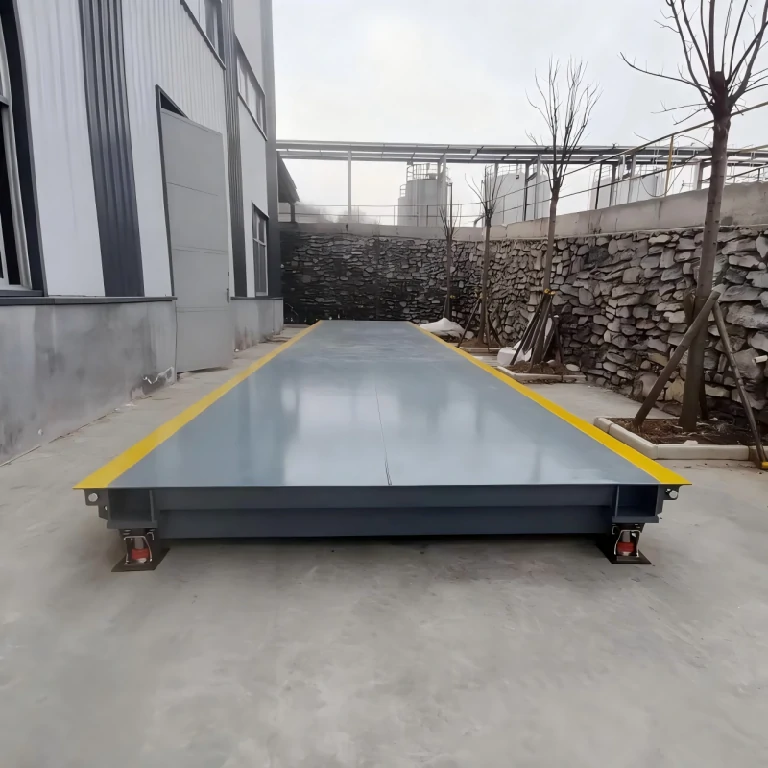
- Digital Truck Scale: Uses digital load cells for high accuracy, strong anti-interference, and easy calibration. Ideal for most commercial and industrial sites.
- Analog Truck Scale: A traditional and cost-effective option, suitable for basic weighing needs where advanced features are not required.
- Heavy-Duty Truck Scale: Built with reinforced steel and high-capacity load cells for mining, ports, and extreme loads up to 150 t or more.
- Portable Truck Scale: Lightweight and modular, designed for temporary sites, remote locations, and rental fleets.
- Unattended Truck Scale: Integrates smart card, RFID, license plate recognition, and cloud data for fully automated, operator-free weighing.
2. Key Factors to Consider
Capacity
Determine the maximum weight you need to weigh, including the vehicle and its load. Common capacities range from 30 t to 150 t. Always choose a scale with a safe overload margin of at least 150% of your typical maximum load.
Platform Size
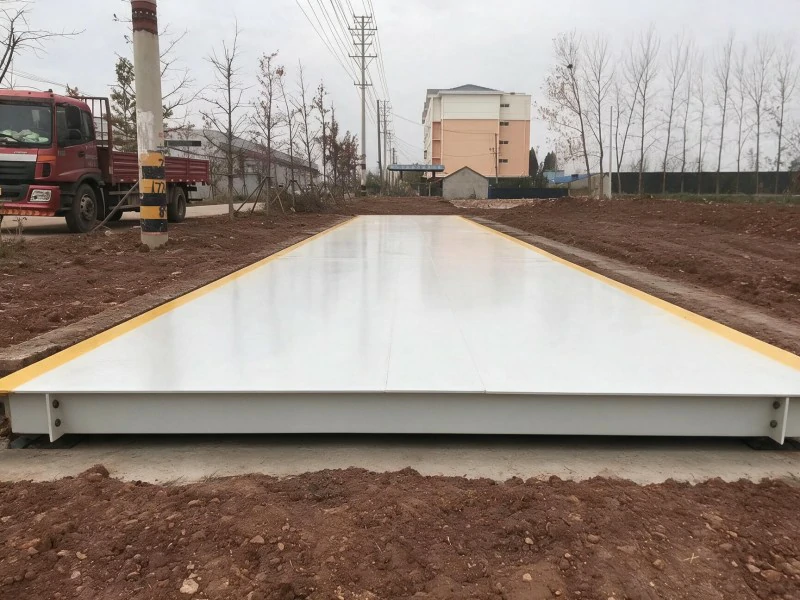
The platform must accommodate your longest vehicle. Standard widths are 3 m, while lengths range from 6 m to 24 m. For articulated trucks or multi-axle trailers, a longer platform is essential. Modular platforms offer flexibility for future expansion.
Accuracy and Division
Accuracy is expressed in OIML classes. Class III is the standard for commercial weighing. The division (e.g., 10 kg, 20 kg, 50 kg) determines the smallest weight increment. Higher accuracy is critical for high-value materials or legal-for-trade applications.
Operating Environment
Consider temperature extremes, humidity, dust, corrosion, and vibration. For harsh environments such as mines, ports, or chemical plants, choose IP68 load cells and corrosion-resistant platform materials. For outdoor sites with wide temperature swings, ensure the indicator and electronics are rated for the range.
Power Supply
Most truck scales use 220 V AC or 380 V AC. For remote locations, solar power or generator compatibility may be necessary. A UPS backup is recommended to prevent data loss during power outages.
Interface and Data Management
Modern truck scales should support RS-232, RS-485, Ethernet, USB, or 4G for data transfer. If you need integration with ERP, WMS, or government supervision platforms, choose a system with open communication protocols and cloud connectivity.
3. Installation and Site Requirements
Proper installation is critical for long-term accuracy and durability. Key considerations include:
- A level, well-drained concrete foundation
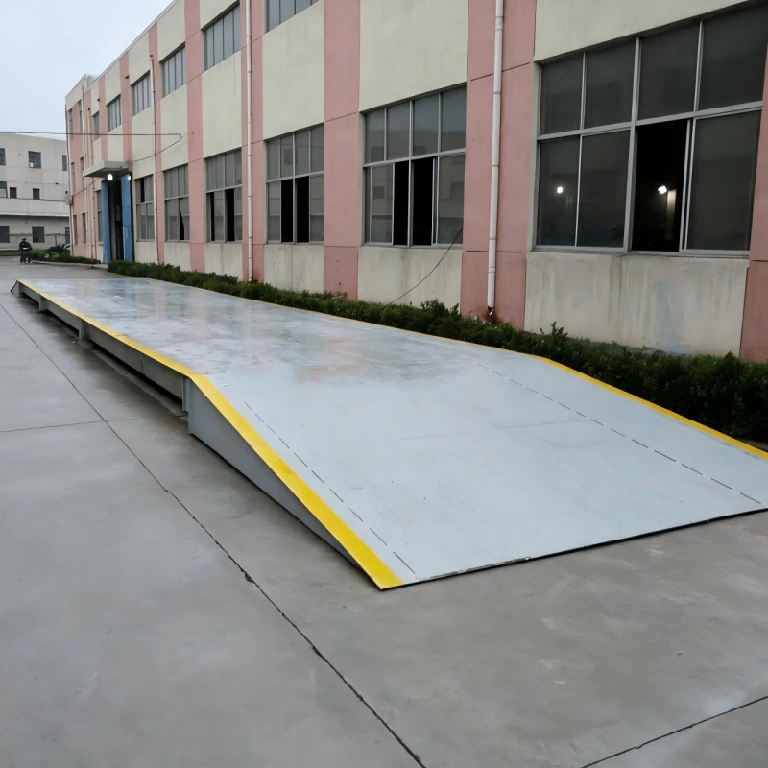
- Approach ramps with sufficient length and slope
- Drainage to prevent water accumulation under the platform
- Lightning protection and grounding
- Clear traffic flow and adequate space for vehicles to maneuver
- Compliance with local weights and measures regulations
A professional manufacturer can provide foundation drawings, installation guidance, and on-site commissioning to ensure everything is set up correctly.
4. Maintenance and Calibration
Regular maintenance extends the life of your truck scale and keeps it accurate. Recommended practices include:
- Daily visual inspection for debris, damage, or water accumulation
- Monthly cleaning of the platform and load cell areas
- Periodic calibration according to local regulations
- Checking cable connections and junction boxes
- Testing overload protection and alarm functions
- Software updates and data backups
Many modern systems offer remote diagnostics and self-check functions, which can reduce downtime and maintenance costs.
5. Why Partner with a Professional Manufacturer
Choosing the right supplier is just as important as choosing the right scale. A professional manufacturer like Xuzhou Spear Weighing Equipment Co., Ltd. (徐州斯派尔称重设备有限公司) offers:
- Customized solution design based on your site and requirements
- High-quality digital load cells and durable platform construction
- Complete installation, calibration, and operator training
- Advanced software for data management and reporting
- CE, OIML, and ISO9001 certified products
- Fast after-sales response and long-term technical support
With years of experience in weighing technology, we help businesses across logistics, mining, construction, agriculture, and manufacturing improve their weighing operations.
6. Conclusion
Choosing the right electronic truck scale requires careful consideration of your capacity needs, platform size, accuracy requirements, operating environment, and data management goals. Whether you need a standard digital scale, a heavy-duty model, a portable solution, or a fully automated unattended system, the right choice will pay for itself through improved efficiency, accuracy, and compliance.
If you are unsure which truck scale is best for your business, contact Xuzhou Spear Weighing Equipment Co., Ltd. Our team of experts is ready to help you find the perfect solution.
Xuzhou Spear Weighing Equipment Co., Ltd. — 徐州斯派尔称重设备有限公司
Your trusted partner for intelligent weighing solutions.